
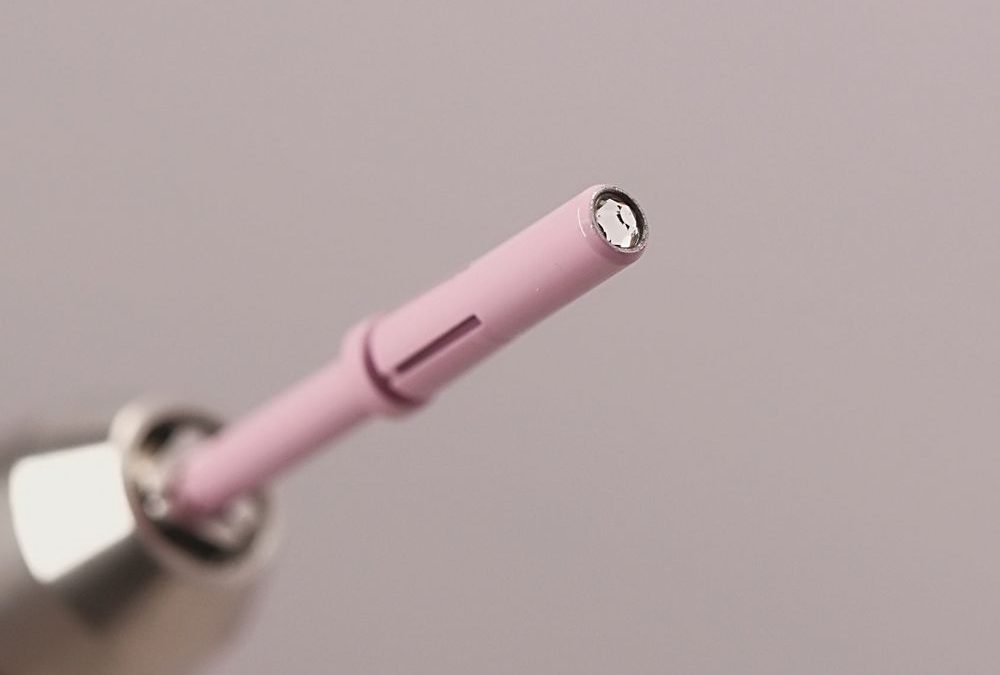
Compare a slim, pastel-pink 3.5mm mandrel with a heavier, uncoated steel piece and the differences are immediate: visibility, grip and how a sanding band seats. Salon managers who prioritize control and quick swaps should know which small mandrel design suits which task. This piece analyzes common selection errors, why they happen, and the correct approach for mini sanding bands.
How to misjudge diameter for the task
What causes the mistake? Teams often pick mandrels by habit rather than the band size they actually use. Small sanding bands need a small-diameter shaft to sit snugly; too much play makes the band wobble and ruins surface control.
What to do instead? Match a 3.5mm mandrel to mini bands intended for fine shaping, cuticle smoothing, or delicate blending. The compact head and slim shaft reduce lateral movement, letting techs apply light, even pressure for a refined finish.
How to ignore the visible cues that speed selection
What causes the mistake? Under bright salon schedules, techs reach for tools without checking visual features. A painted or coated shaft and a polished inner collet are not just aesthetics—they signal施工 quality and help spot the correct mandrel quickly on a crowded tray.
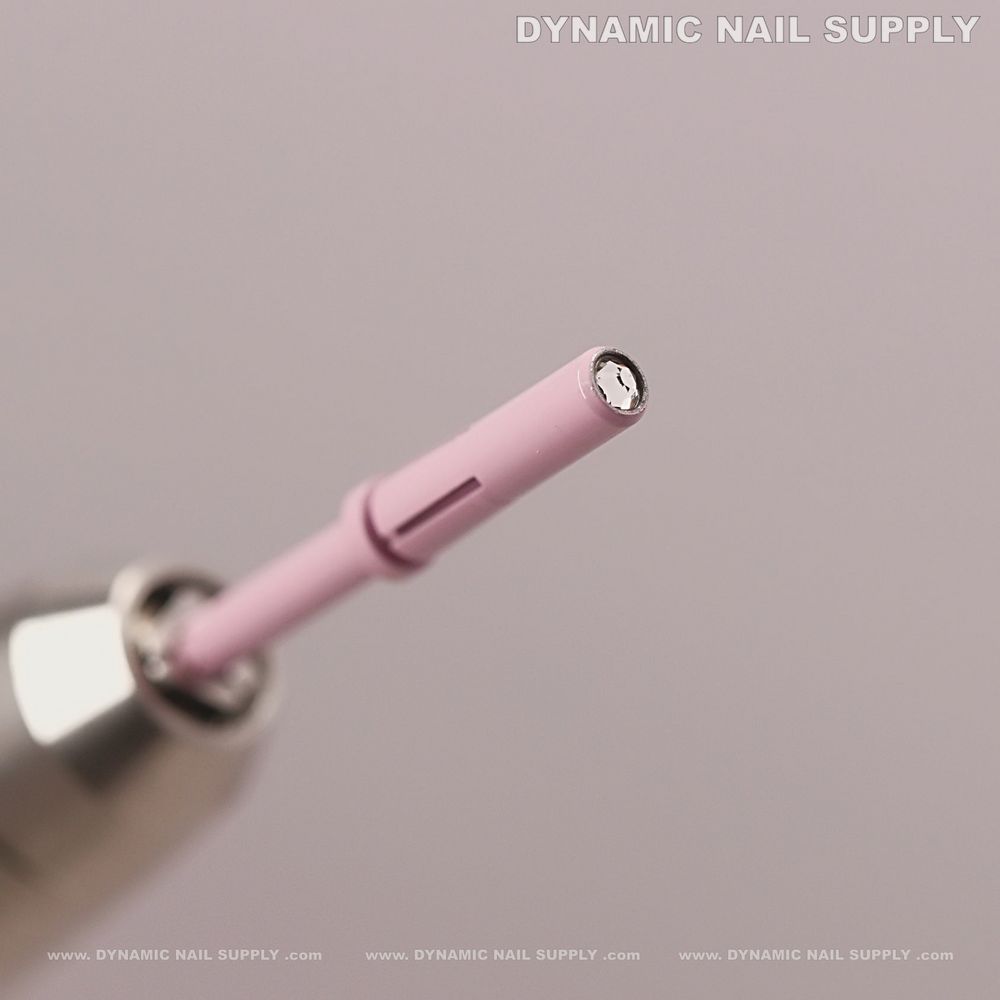
What to do instead? Choose a mandrel with a distinctive finish—like the glossy pastel-pink shaft and chrome inner collet shown here—so staff can identify the small 3.5mm option at a glance. A visible collet with slots helps confirm band seating before power is applied.
How to underestimate band retention and swapping speed
What causes the mistake? Some mandrels hold bands with friction alone, which slows band changes and risks slippage during work. Slower swaps reduce efficiency for busy appointments.
What to do instead? Prioritize mandrels that combine a secure hold with fast-release features. The inner tension spring style maintains a firm grip while enabling quick sanding-band changes—ideal for multi-service salons that switch abrasives often.
How to confuse heat management with weight
What causes the mistake? Weight and heat control are sometimes treated as the same consideration; selecting a heavier mandrel doesn’t automatically improve thermal performance.
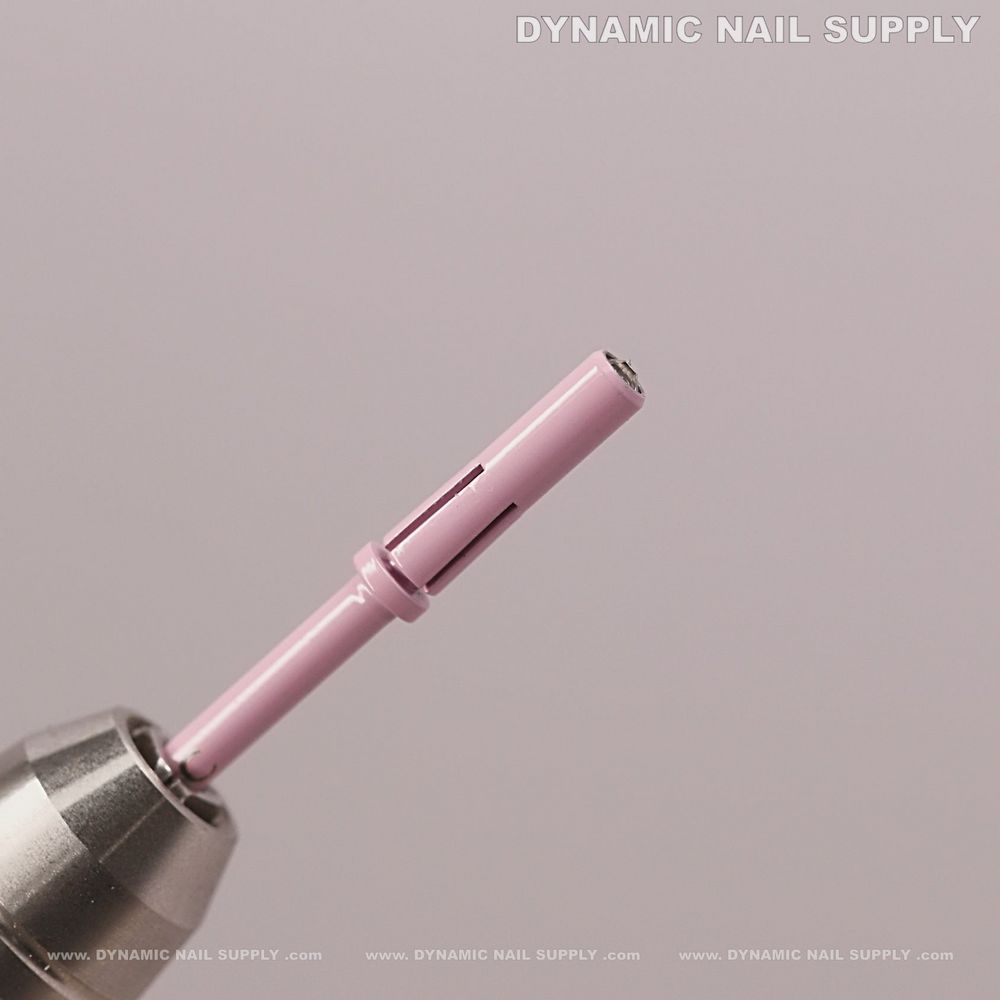
What to do instead? Look for design elements that shed heat—venting or materials that dissipate energy—while keeping the tool light. A compact 3.5mm mandrel that combines good thermal dissipation with low mass reduces client discomfort and keeps bands performing longer under regular use.
Pick the small mandrel that balances secure band hold, quick swaps and clear visibility for consistent salon results.
How to overlook comfort and ergonomics during long shifts
What causes the mistake? Purchasers may focus solely on function and forget that repeated handling matters. A clunky or slippery shaft increases fatigue and small handling errors over many services.
What to do instead? Select a slim, easy-to-grip mandrel whose finish aids fingertip control; a smooth glossy painted shaft can offer pleasant tactile feedback while remaining easy to clean. Compact and lightweight designs prevent wrist strain during back-to-back services.
How to neglect compatibility and collet fit
What causes the mistake? Mandrels vary in tip details even when nominally compatible. Assuming a mandrel will fit every 3/32″ drill can lead to loose or tight fits.
What to do instead? Verify universal 3/32″ compatibility and inspect the polished chrome inner collet for proper alignment and visible collet slots. A mandrel engineered for standard 3/32″ chucks avoids surprising play or excessive tightness during use.
How to skip simple care rules that extend service life
What causes the mistake? Tools are often treated as disposable; drops, residue and poor cleaning shorten useful life. That costs money and interrupts bookings.
What to do instead? Handle the mandrel carefully—avoid dropping it onto hard floors—and follow routine cleaning. A design with easy-to-clean surfaces and corrosion-resistant parts keeps the tool ready. Note: minor price fluctuations occur; this compact option is listed at $7.99 but rates may change.
For quick reference on the exact item discussed, see the product link below
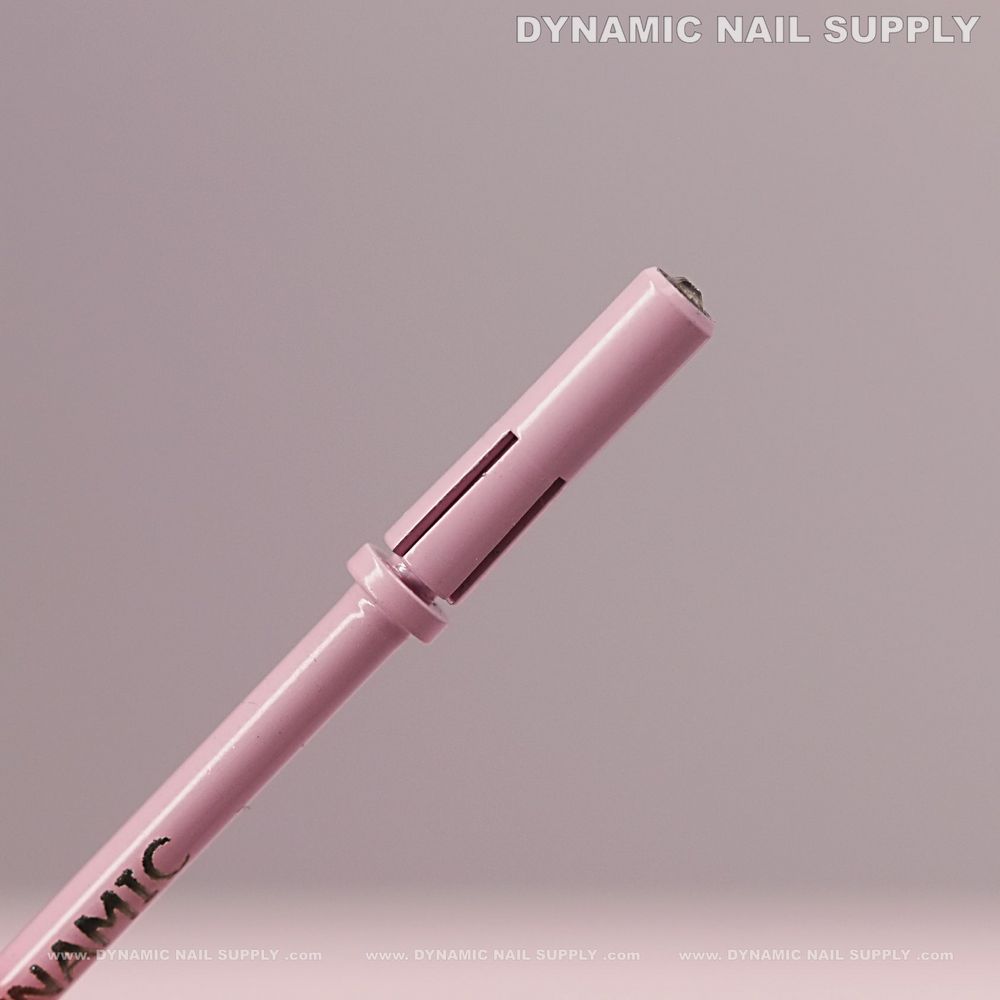
https://dynamicnailsupply.com/products/small-3-5mm-easy-off-mandrel-for-smaller-sanding-band-copy
How to choose for specific salon tasks
What causes the mistake? Selecting one mandrel for every job leads to compromised finishes. Small-diameter mandrels excel at detailed work but are not substitutes for larger abrasive holders when bulk removal is needed.
What to do instead? Use a 3.5mm mandrel for: finishing around the cuticle, refining short nail edges, and detailed smoothing on natural or short enhancements. Reserve larger mandrels for shaping and fast reduction on acrylic or heavy overlays.
How to set a practical procurement policy
What causes the mistake? Inconsistent tool choices across a team create inconsistent results and training friction.
What to do instead? Standardize on a small, easy-off mandrel design for all mini-band work. Specify features: 3.5mm head, a secure inner tension mechanism, anti-slip barrel detail, and a visible polished collet. Adding a distinctive color—like pastel pink—helps inventory control and speeds tech selection during service rushes.
How to integrate this mandrel into salon workflow
What causes the mistake? Tools acquired without updating procedures often sit unused or underused.
What to do instead? Train staff on band seating checks, light pressure technique for mini sanding, and quick-swap steps that protect the tension spring. Keep spare mandrels on a labeled tray so techs can swap instantly without breaking appointment flow.
Checklist recap:
- Confirm 3.5mm mandrel for mini band tasks.
- Choose a finish that makes the tool easy to identify.
- Prioritize inner tension spring or easy-off retention.
- Check polished collet and collet slots for proper fit.
- Keep mandrels lightweight and easy to clean; avoid drops.
- Standardize one small mandrel style across the team.